Formal Complaint Challenges U.S. Enforcement of Mexican Wolf Protections
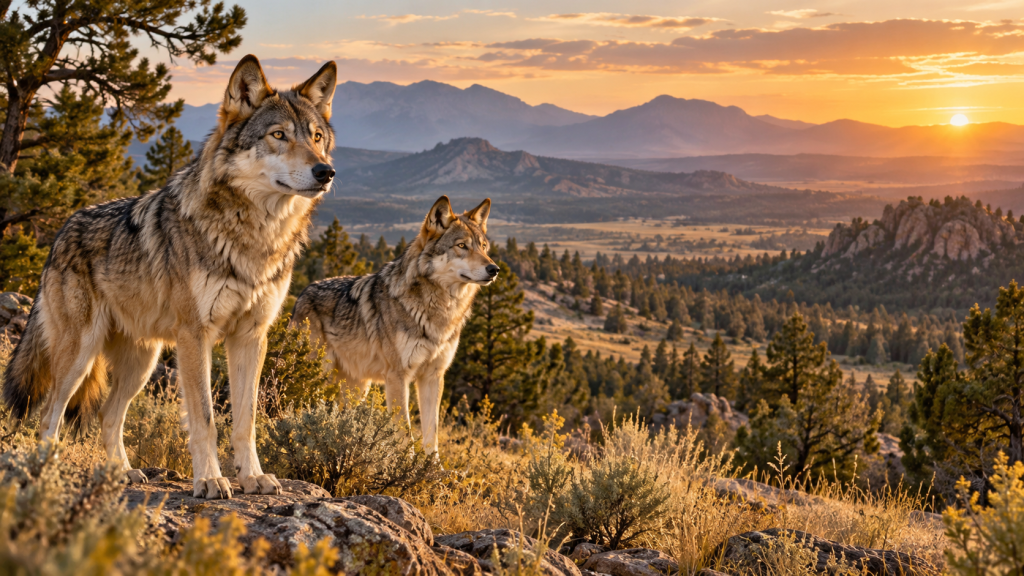
AI-generated illustration
A formal environmental-enforcement complaint is challenging whether the United States is adequately protecting Mexican gray wolves from incidental deaths, injuries and habitat damage associated with development in the Southwest.
The Commission for Environmental Cooperation announced October 16 that it had received the submission, filed October 14 by a Mexican citizen. The commission’s public registry identifies the matter as SEM-26-010 and lists it as open, with an initial review underway.
The complaint alleges that U.S. Fish and Wildlife Service directives have narrowed the interpretation of prohibited “take” under the Endangered Species Act. According to the submitter, that approach excludes certain unintended harms caused by industrial, agricultural, logging, energy and road-building activities from oversight and mitigation requirements.
Those are allegations, not findings by the commission. Receipt of the complaint does not establish that U.S. agencies violated the law or that particular projects unlawfully harmed wolves.
The submission argues that incidental mortality and fragmented habitat could undermine recovery efforts involving populations in Arizona, New Mexico and Mexico. It asks for a U.S. government response and, eventually, a factual record examining the enforcement concerns.
The filing uses the public submissions process established under the environmental chapter of the United States-Mexico-Canada Agreement. The commission said its Secretariat would review the submission within 30 days to determine whether it satisfies the agreement’s initial requirements.
That preliminary decision—not a ruling on the underlying allegations—is the next procedural step. The filing itself does not change U.S. wildlife rules or establish new protections.
Why This Matters for Animals
The complaint seeks scrutiny of how existing protections are enforced, rather than merely calling for future conservation promises. Its potential value lies in making enforcement decisions more transparent. Whether it advances or produces findings remains unresolved.
Source: Commission for Environmental Cooperation: Mexican gray wolf submission announcement